Is the smartphone industry dying?
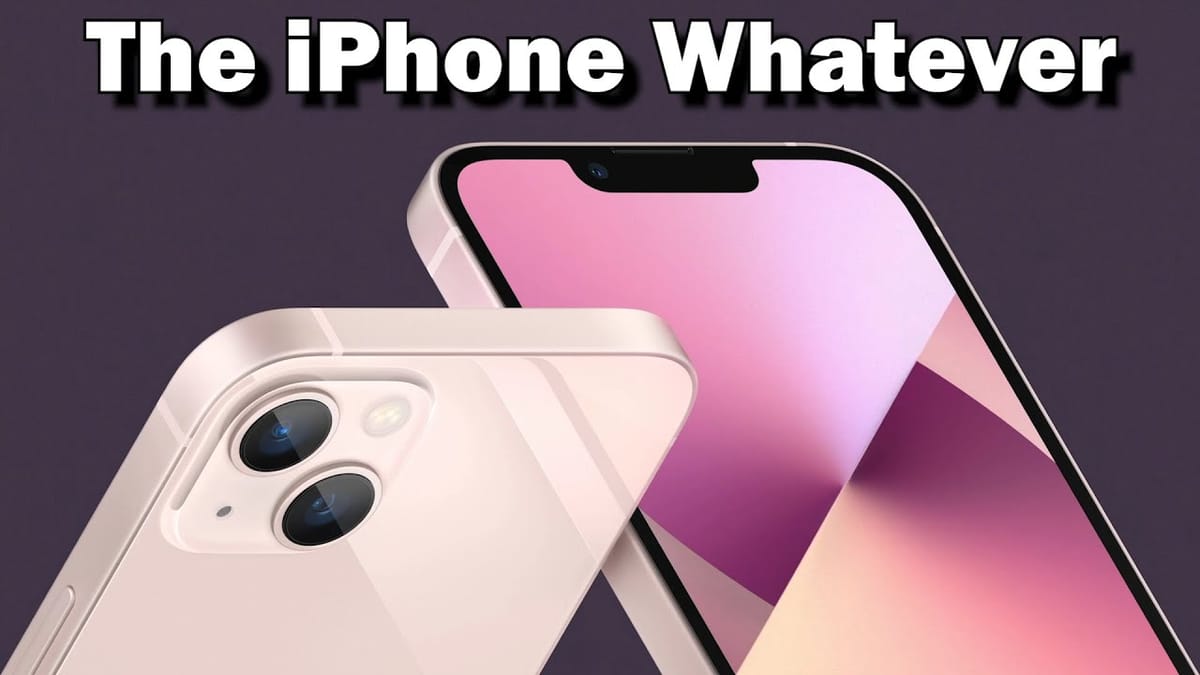
Betteridge's law of headlines states that the answer to any question posed in the headline of a newspaper can generally be answered with a "no". And I'm not going to 100% diverge from that principle here, but I'd like to replace that "no" with a "kinda".
Why "kinda"? Well, because the smartphone industry is absolutely printing money, for one. Apple made $54.25 billion selling iPhones last quarter if you believe Reuters, and I can't imagine Samsung are making much less. In the last 20 years, the ownership rate of the smartphone has managed to beat that of the toilet, despite the humble loo's several-hundred-year head start.
But think for a moment about the future of the industry, and the feeling that all's well and good in Smartphoneland has to be dampened a bit, especially if, like me, you've spent a lot of the last 20 years generally Giving A Damn™ about phones enough to write a blog post and have to go to the Wikipedia article for ™ in order to copy and paste the ™ character into said blog post.
Spare a thought for OnePlus, for instance, who, despite making some fantastic phones over the years (one of which I was fortunate enough to own, and man, that OnePlus 9 was a good phone until I broke it), have just pulled out of Europe and North America entirely. Carl Pei's next gig, Nothing, are an AI company instead of a smartphone company now. LG stopped making phones years ago, as did HTC.
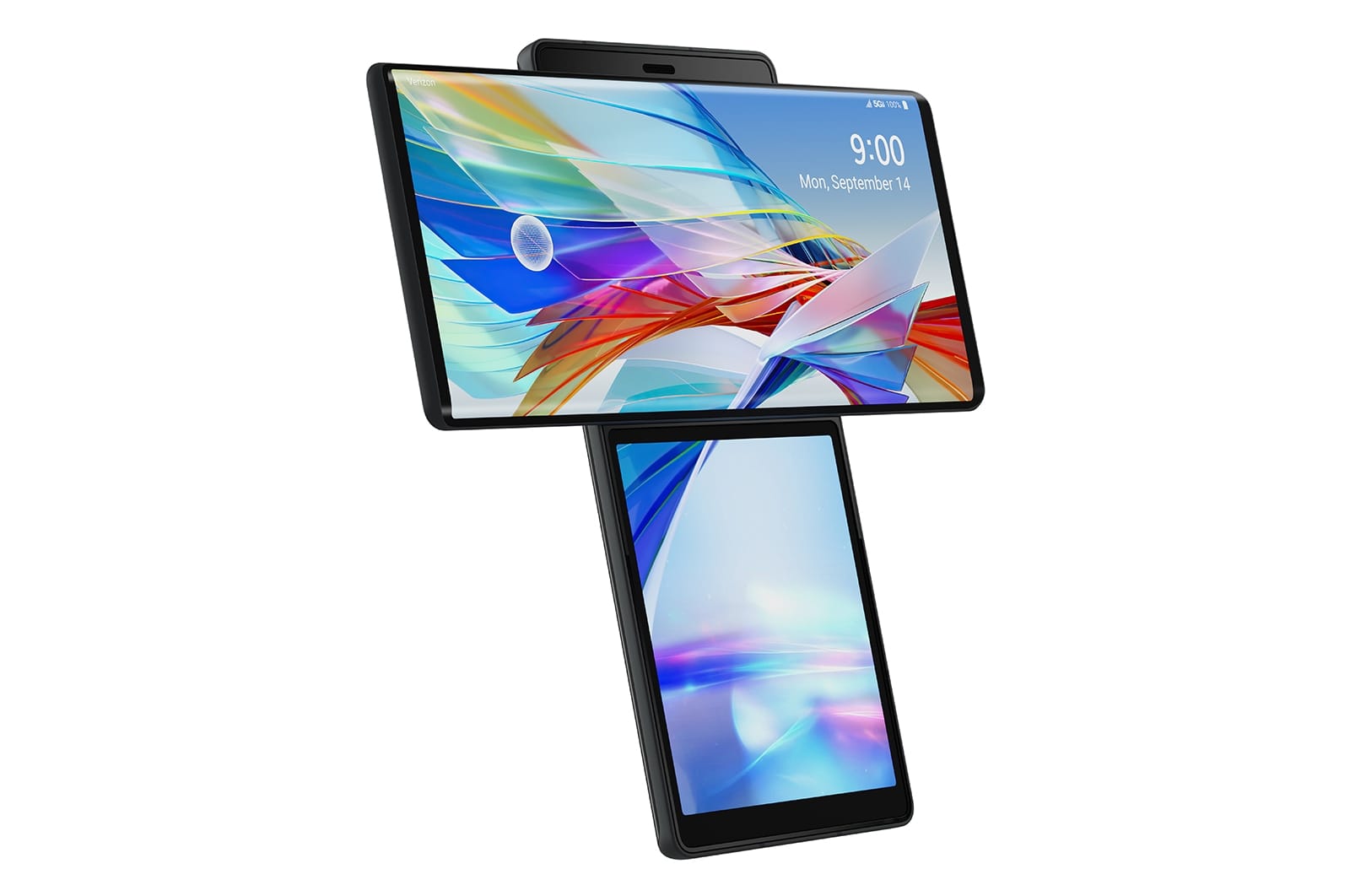
To put it simply but bluntly, the boom times are over. Were they ever fun, though. Up until about 2020 (the end of the zero-interest-rate-period is probably a contributor to all this, but that's a whole other topic, there were some brilliant ideas that came out, and every generation was a meaningful improvement over the next. One year, upgrading your phone meant you could take videos, then the next one had video calls, then the next voice recognition, then the screen got big enough to actually watch movies on there without Christopher Nolan personally coming up to you and stabbing you in the throat (he settles for doing that online instead nowadays).
We went from having, essentially, wireless landlines with calendars to magical devices with Wikipedia and Instagram and Angry Birds and more pornography than you could shake all the world's sticks combined at in about 10 years. We probably shouldn't be surprised that there were no worlds left to conquer, because almost everything you could want was right there in your pocket by 2016 or 2017.
And so we've all settled. Not without good reason! For less than £200, you can get yourself a phone with Everything (possibly made by Nothing). It'll last all day, and it'll let you doomscroll on the toilet as well as anything else.
If you want a sense of comparison, consider the humble microwave oven. In the beginning, microwaves were huge and expensive. Maybe they were justifiable for a large commercial kitchen, but certainly not below that. Then they got cheaper. Suddenly, your oven might have a combination microwave mode. It was still big, and it was still expensive, but suddenly it was almost convenient to use. But after that, there was one more frontier - the jump to a cheap microwave that sits on your counter and heats the ready meals you're embarrassed to admit you make at 11pm perfectly adequately.
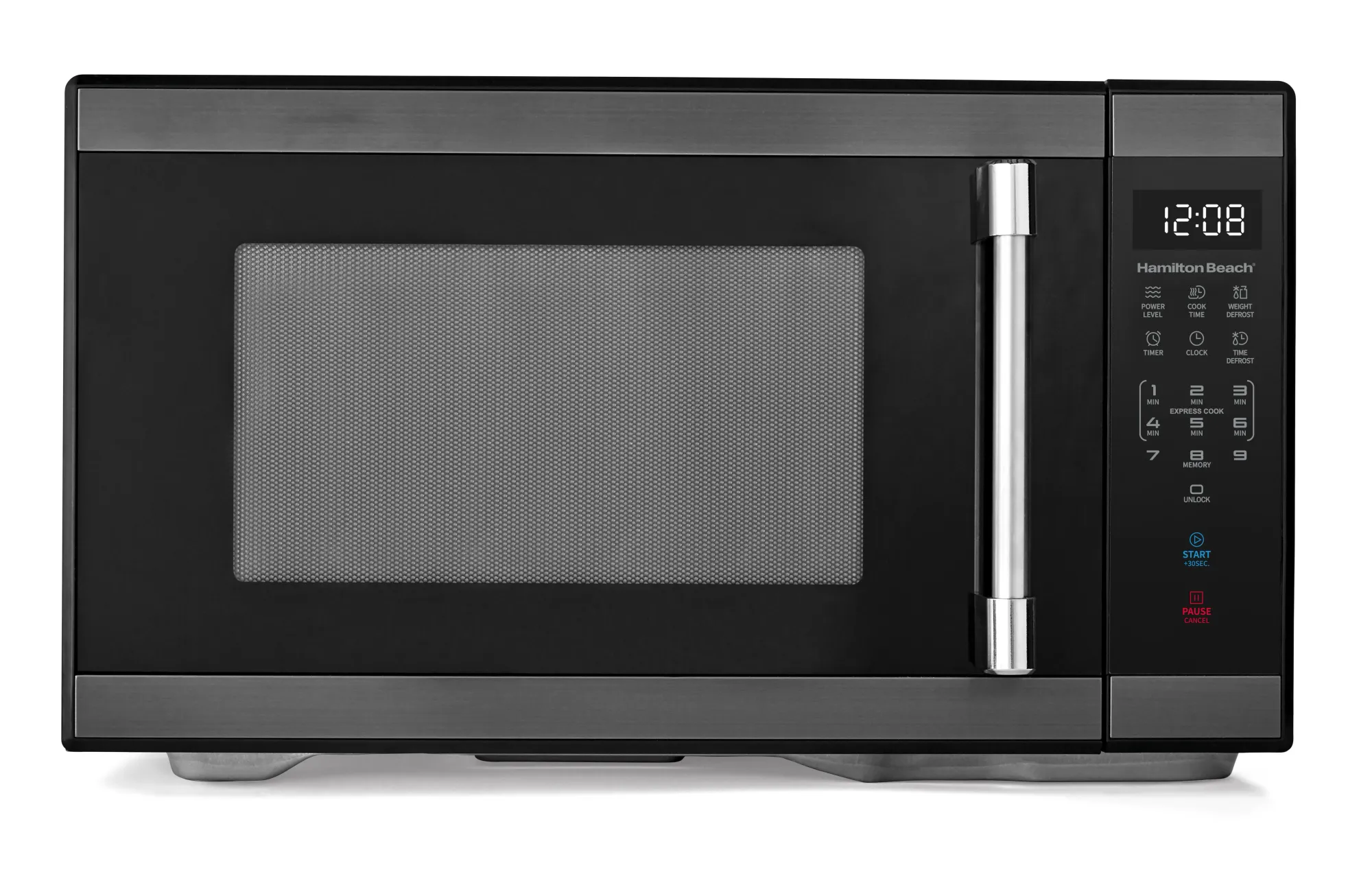
As technologies evolve, they get less and less exciting. Sure, the money is there, and it'll always be there, but the competition and the excitement that drew people like me in have started to go away. These days, one company makes most American microwaves, and the idea that you'd buy a new microwave over your previous - working - one for the sake of a new look or new features isn't exactly one you'll have much luck convincing other people to take seriously.
The same goes for the smartphone. Man, I used to love stuff like custom ROMs, weird niche phone brands, the new releases, the constant excitement, the competition and dunking on each other for buying Phone X or Phone Y. It was great. But now, there's no reason to have any of that. Phone X and Phone Y are the same these days, save some minor cosmetic details. Custom ROMs are dead, and (and I really hate to say this) probably justifiably. We're converging around two brands, both of which offer essentially the same product, and both of which supply a product that will do exactly what you want until you replace it when it breaks. In a way, the smartphone industry I used to love is "dead" after all!
So, as long as you've been on board with me up till now, and why not, I've made some spectacularly cogent and well-put arguments, I'd like to extend my thesis to a slightly broader scope:
The consumer tech industry in general is dying. Not all of it at once, and at different rates, but people fundamentally have everything they could need in almost all of their tech-enabled stuff already. It's all reasonably priced, it's all reasonably reliable, and most importantly, most people just don't care, and that's fine! I don't care about the new ideas in lamps or chairs or the bus system, and that's fine too, and it's also fine if other people do care about those things! But, as a rule of thumb, the time when tech was inherently exciting and new is going, at least in terms of the consumer stuff we've gotten used to.
A 10-year-old laptop is good in a way it wouldn't have been 20 years ago. So is that 10-year-old TV, that 10-year-old desktop, that old mouse, hell, that slightly older car if you feel like it (but I digress).
I could elaborate on why that is, and probably one of these days I will. Moore, Koomey, and Dennard have done most of the work already (give them a Google if you feel like it), but maybe a personal anecdote will make the reading go down easier.
It's a shame to see all of this, but the fundamental reason for it is honestly great to see. We have things that work. Countless people put years of their lives into making things this way, and there's still so much work to do, but it'll just be slightly less exciting and glamorous.
I still intend to do a lot of that work, because I love all of it, and if you want to join me in doing Computer Things as a beginner, email me or contact me on LinkedIn/Instagram/carrier pigeon; I'd be happy to give you some pointers on where to start (I'm not nearly competent enough to give more than some links to things/people and some book recommendations, but I do feel confident in doing that).
Cheers for going along with a slight rant, hopefully the next one will be a little less of an op-ed and have a little more meat on its bones (subscribe to the newsletter if for some reason that's something you want to see),
Alex